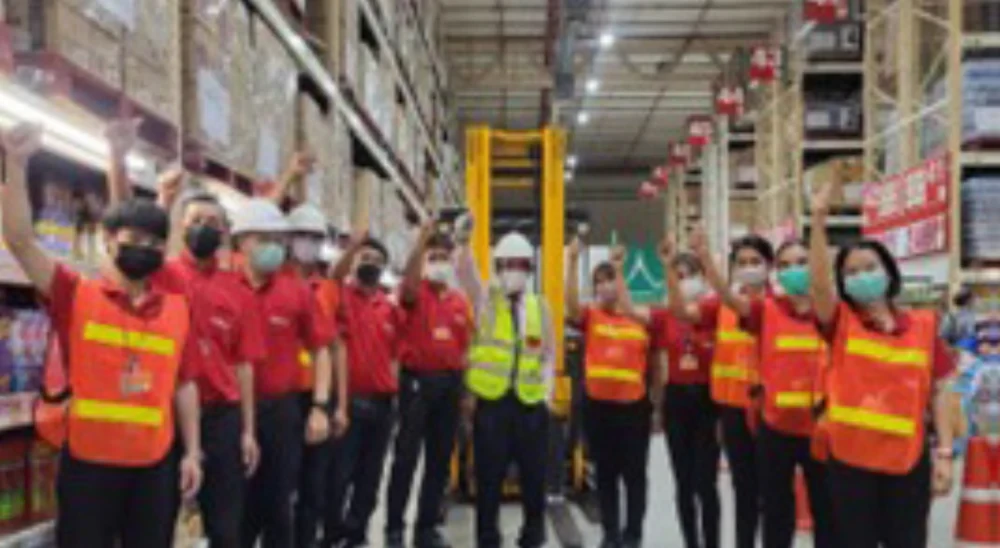
Human Rights and Labor Practices
Challenges and Opportunities
Recognizing diversity and respecting the rights of others are essential for any community. Whenever inappropriately communicated and managed can cause the business’ operational risk. The Company respects human rights and labour practices in all operations, promoting equality, non-discriminatory and workplace occupational health & safety. This includes preventing human rights violations and protecting the person from discrimination and harassment.
Supporting the SDGs
Targets and Performance Highlights

-
Long Term Target by 2030
-
100% of business groups conduct annual human rights impact assessments for high-risk organizational activities and direct suppliers.

-
-
2025 Performance

Achieved the 2030 target, 100% completing the annual human rights impact assessment for the organization and its suppliers.

100% own operation and value chain was reviewed the human rights impact assessment

100% Salient issued are identified and corrected

100% employee and critical vendor (both tier 1 and non tier 1) are trained the human rights & labour practice policy

100% of tier 1 suppliers are committed to follow the human rights & labour practice policy

100% high risk supplier and vendor are onsite audited and 100% closed the corrective action
Management Approach and Value Creation
The company respects human rights and labour practices, such as the Universal Declaration of Human Rights (UDHR), the UN Global Compact, the UN System Code of Conduct, the UN Guiding Principles on Business and Human Rights (UNGPs), and the Declaration on Fundamental Principles and Rights at Work of the International Labour Organization (ILO), including regulation in all countries where business is operated. The company regularly reviews human rights due diligence and communicates the human rights policies and labour practices to stakeholders.

Human Rights
CP Axtra Public Limited Company (the “Company”) is committed to respecting fundamental human rights and Labor practices with continuous effort to operate the business sustainably through employees, customers, suppliers, and other stakeholders along the supply chain. The Company aims to protect human rights against discrimination & harassment and also provide equal opportunity for capability development.
The Company respects fundamental human rights and Labor practices in every country where the Company operates and adherences to follow international principles and practices such as the Universal Declaration of Human Rights: (UDHR), the Ten Principles of the United Nations Global Compact (UN Global Compact), UN Guiding Principles on Business and Human Rights (UNGPs), Declaration on Fundamental Principles and Rights at Work and International Labor Organization (ILO).
To prevent any form of negative impact on, or violations of human rights, associated with the Group’s operations, products and services throughout the value chains with the guideline practice for.
| Respect for Human Rights | Labor Practices Guideline |
|---|---|
|
|
Human Rights Due Diligence Process
| Human Rights Due Diligence Process | |
|---|---|
| Policy Commitment |
|
| Embedding |
|
| Identify & Assess Human Rights Risk |
|
| Integrating to Risk Map |
|
| Tracking Performance |
|
| Validation by third party |
|
| Stakeholder Engagement |
|
| Remediation and Grievance Mechanism |
|
Human Rights Assessment
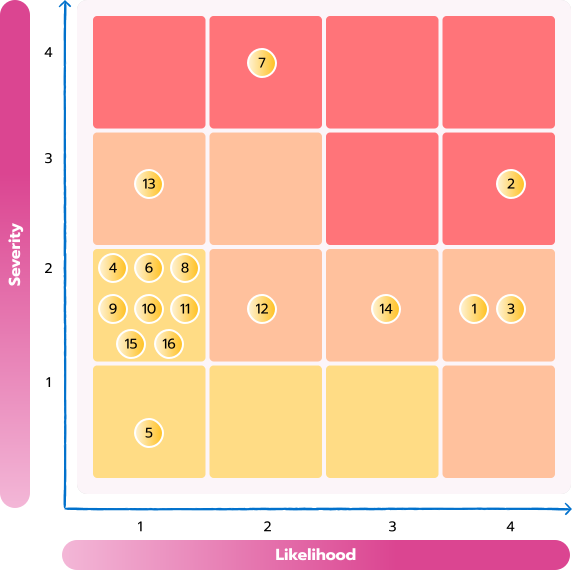
In 2025, The Human Rights Due Diligence committee conducted the Human Rights Risk Assessment (HRRA) to review the potential risk that related to our operation including new business and operation which is retail business unit, migrant worker in store operation and potential impact to rights of indigenous people. The 16 concerned issues are identified, 7 Silent Human Rights Issues. 2,663 sites implement the mitigation plan (include 167 sites which breach case occurred). These salient issues are reviewed the root cause and periodically follows up on the correction and remedial action for every significate salient issue.
| Category | % of total assessed in last three year |
% of total assessed where risks have been identified |
% of risk with mitigation actions taken |
|---|---|---|---|
| Own operation | 100 | 100 | 100 |
| Supplier, Contractor & Vendor | 95 | 100 | 100 |
| Joint ventures | 100 | 100 | 100 |
2025 Result of Human Rights Assessment
The 16 concerned issues are identified, 7 Silent Human Rights Issues. 2,663 sites implement the mitigation plan (include 167 sites which breach case occurred). These salient issues are reviewed the root cause and periodically follows up on the correction and remedial action for every significate salient issue.
Grievance and Whistleblowing Process

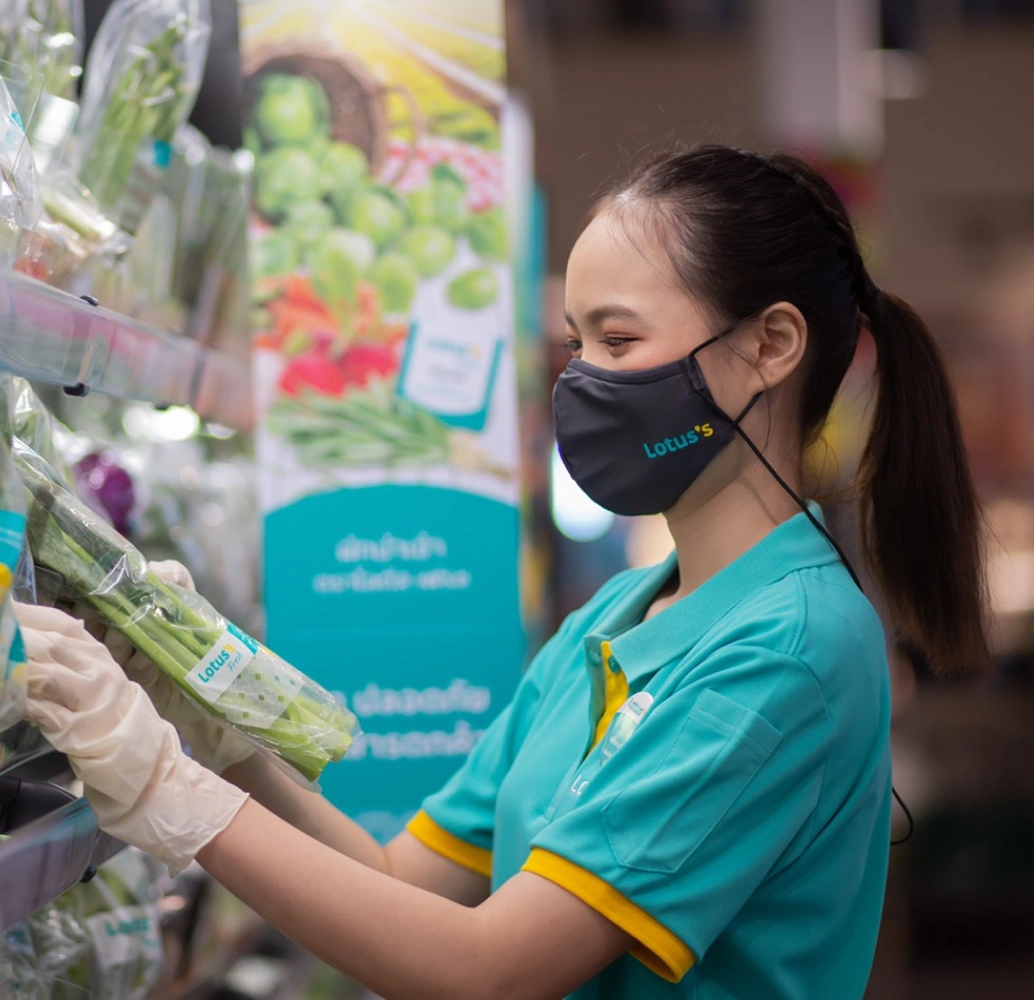
Safety And Occupational Health
The Company commits that safety and occupational health is the first priority for business operation which the highest body for endorsing of implementation is Board of directors. The policy is applicable to the company’s entire operations/employees and contractors, stakeholder or individuals under our supervision.
Ensuring the company ’s compliance with relevant safety and occupational health international standards and regulations, voluntary programs and/or collective agreements. Altogether with the consultation and participation of workers, and/or their representatives. also, our commitment to continually improve the performance of the safety and occupational health management system. The risk or hazards is setting up prioritization and action plans to control also, establishment of quantitative targets for improving performance metrics.
For effectively implement the policy, the Occupational Safety and Health Committee (OSH Committee) and Safety Officers which is representative from both supervisory and management levels. To eliminate risk and prevent workplace fatality, accident, and occupational illness. The Company develop the safety standards and life saving rules, actively participates in safety campaigns with relevant government agencies, and continuously improves practice and performance to achieve the goal of Zero fatality and Lost Time Injury Rate below 0.5 by year 2030.
SHE Governance
| Safety, Health and Environment Structure | Persons |
|---|---|
| SHE committee | 1,119 |
| Safety officer - Management level | 2,295 |
| Safety officer - Supervisory level | 2,908 |
| Safety officer - Professional level | 135 |
The Company follows ISO 45001, with the 15 procedures for preventing work-related injury and occupational illness as well as proactively managing SHE’s performance and continuous improvement. In 2023, The Life Saving Rules are announced and implemented the whole organisation with most strictly degree of protection. Including new two performance indicators which are vehicle accident frequency rate and near miss report.
2025 Target and Safety Statistics

Employee
CP AXTRA
1.81
(411 cases)
Makro-TH
3.12
(198 cases)
Makro-INT
8.12
(3 cases)
Lotus's-TH
0.62
(92 cases)
Lotus’s-MY
8.20
(118 cases)
CP AXTRA
1.57
(355 cases)
Makro-TH
2.44
(155 cases)
Makro-INT
0.00
(0 case)
Lotus's-TH
0.56
(83 cases)
Lotus’s-MY
8.13
(117 cases)
CP AXTRA
0.013
(3 cases)
Makro-TH
0.02
(1 case)
Makro-INT
0.00
(0 case)
Lotus's-TH
0.01
(1 case)
Lotus’s-MY
0.07
(1 case)

Contractor & Vendor
CP AXTRA
0.75
(121 cases)
Makro-TH
1.28
(99 cases)
Makro-INT
0.00
(0 case)
Lotus's-TH
0.26
(21 cases)
Lotus’s-MY
0.43
(1 case)
CP AXTRA
0.55
(89 cases)
Makro-TH
0.92
(71 cases)
Makro-INT
0.00
(0 case)
Lotus's-TH
0.21
(17 cases)
Lotus’s-MY
0.43
(1 case)
CP AXTRA
0.012
(2 cases)
Makro-TH
0.01
(1 case)
Makro-INT
0.00
(0 case)
Lotus's-TH
0.01
(1 case)
Lotus’s-MY
0.00
(0 case)
Remark:
- Accident rate per 1,000,000 working hours
- Cover all relevant business operation and contractor
Our Projects
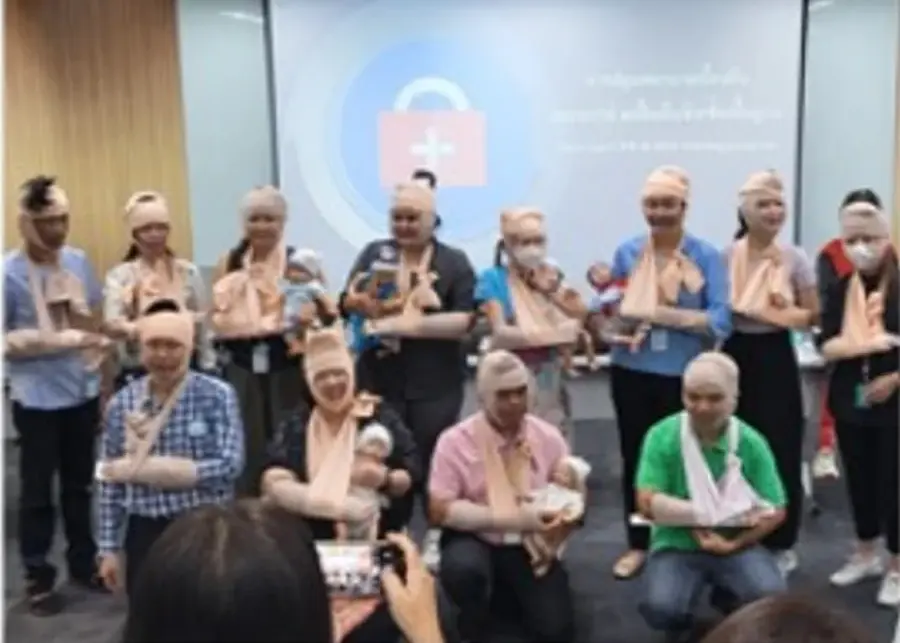
The first aid, CPR and AED usage

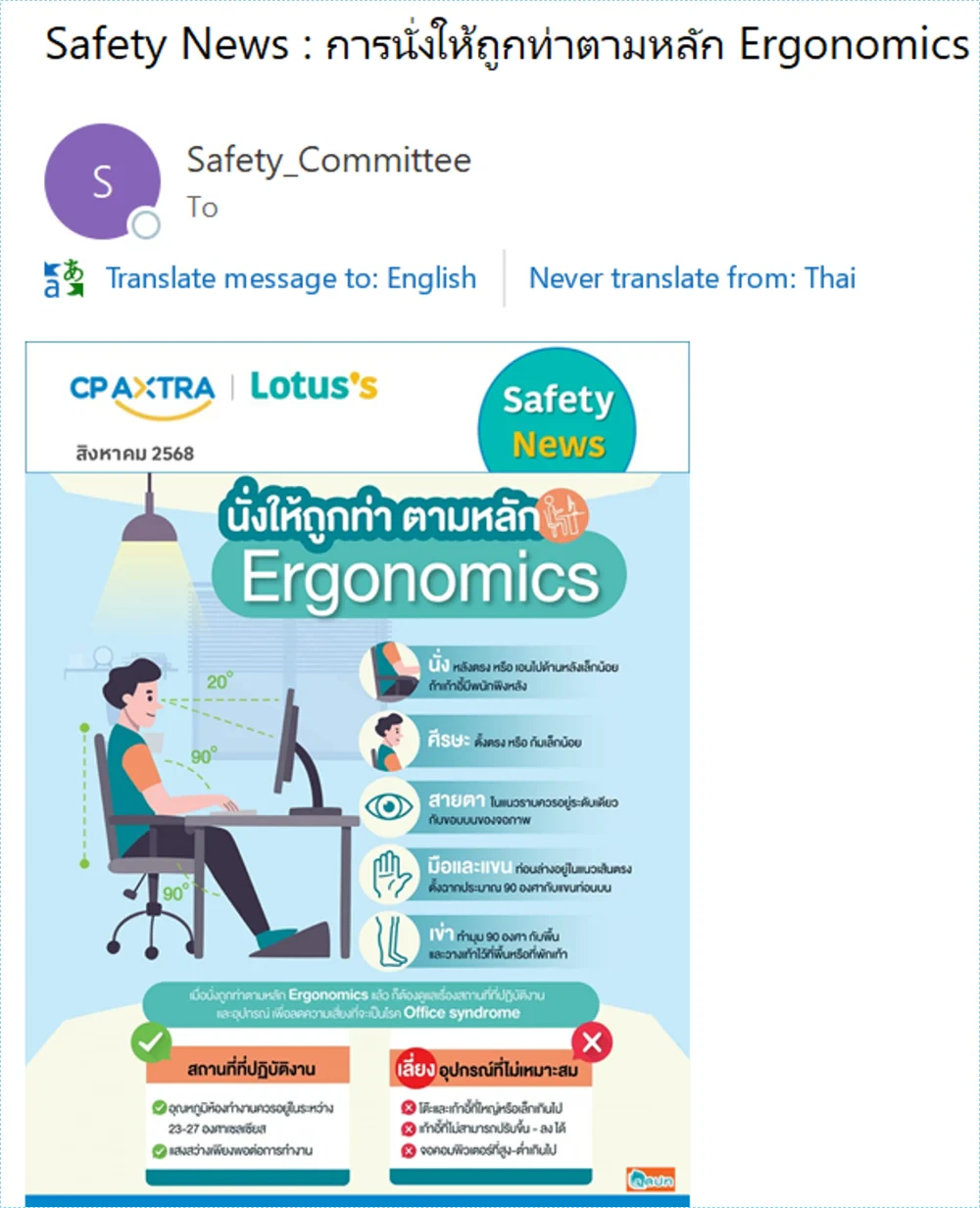
Ergonomic Awareness via Safety Bulletines
PPE Management Application

Defensive Driving Training and Onsite Safety Audit

Forklift Safety Training