Circular Economy
Challenges and Opportunities
As a leading distributor of consumer products, applying the circular economy is paramount in attaining the Company's 2030 Sustainability Targets. Efficient resource utilization, including waste, is the essential strategy to manage resources for optimal utilization value and sustainable product and packaging to mitigate the business impact on society as much as possible. The opportunity of converting waste into products that add economic-social values.
Supporting the SDGs
Targets and Performance Highlights
-
Long-Term Target by 2030
-
Zero waste and food waste sent to landfill.

-
100% sustainable packaging.

-
-
2025 Target
-
Reduce food waste sent to landfills by at least 50% of total food waste.
-
-
2025 Performance

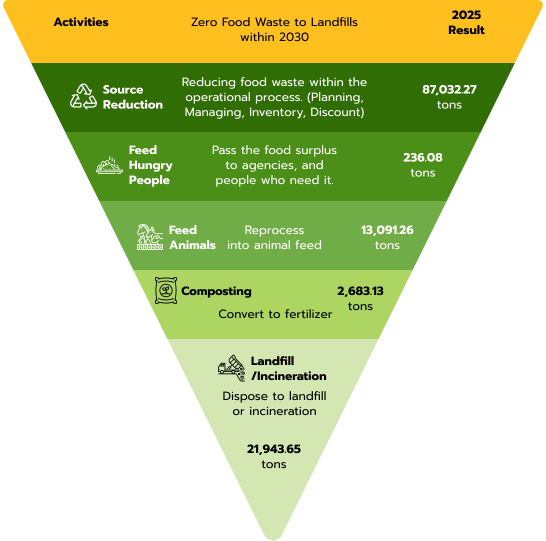
Reduce food waste to landfill 42.18%.
- Food surplus 236.08 tons
- Animal feed 13,091.26 tons
- Composting 2,683.13 tons

Waste intensity per revenue 0.04 tons per million Baht.

Reuse and recycle 148,993.02 tons.

Sustainable packaging 99.95%.
Management Approach and Value Creation
The Company applies the circular economy and waste management are as one of material and enterprise risk assessment also the being one key of 2030 sustainability strategy. The waste database is collected and stored by type and disposal method to determine impacts throughout the supply chain. This is combined with the three fundamental principles of the circular economy for proper operations. First, minimize adverse effects, second, design products and services that focus on preserving natural resource costs, and third, optimize resource utilization for maximum efficiency. The company commits the environmental protection policy which is public disclose on the website.
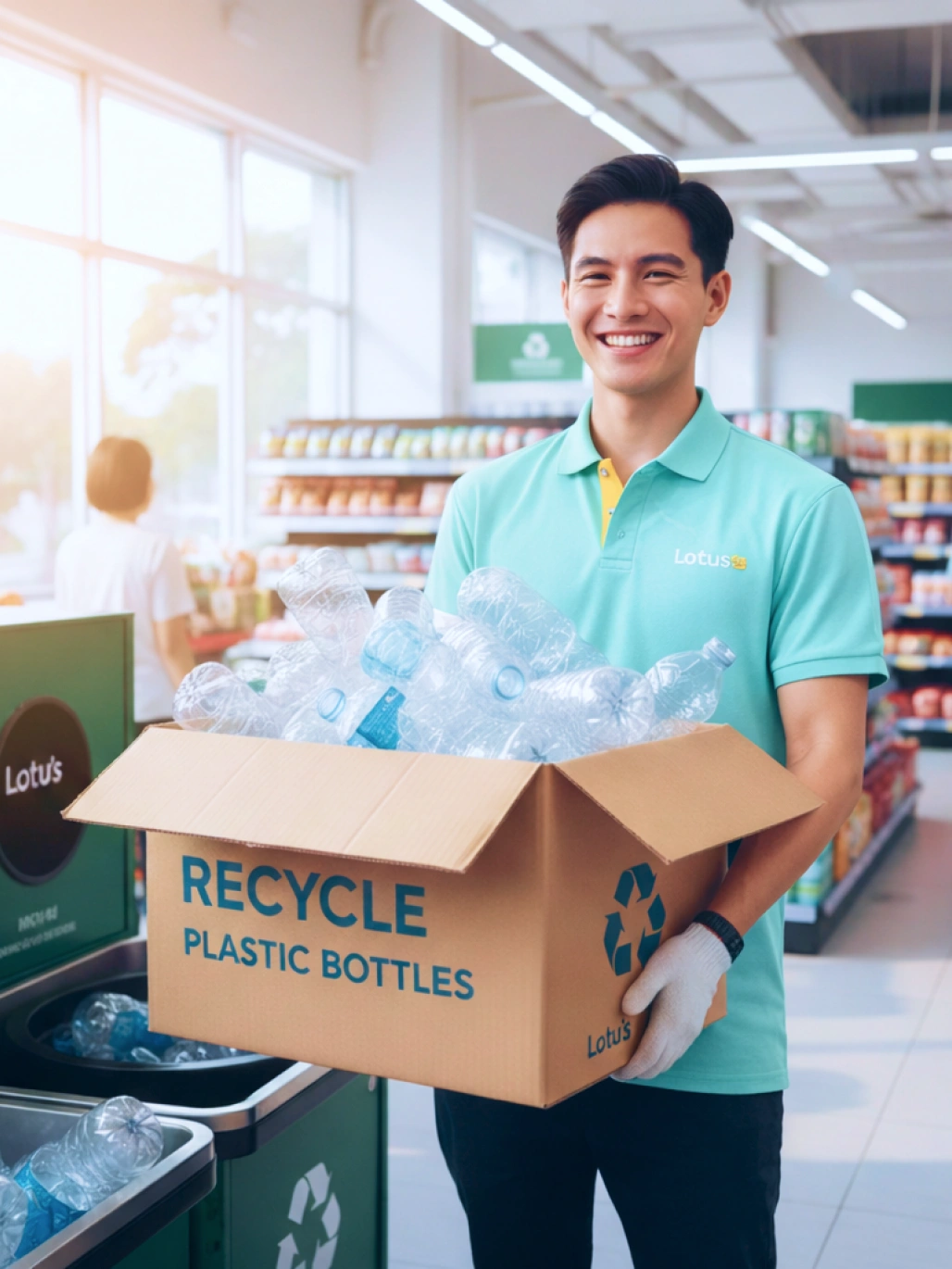
Waste Management
Waste Management Programs and 2025 Result
The company commits Zero Waste to Landfill within 2030. To achieve the target, we have monthly waste audits to identify opportunities for improving waste performance and the result has reported to Waste management team and being all employee and manager are trained the waste reduction and added to the employee's performance evaluation (KPI). All related functions have action plans to reduce waste generation and must report the progress to top management as quarterly basis.
Waste audits to identify opportunities for improving waste performance.
100% areas or function where waste is generated are identified, collect data, analysis, action plan and monthly monitor.
Shrinkage minimization to prevention the waste generate, the cross function working team conduct weekly basis monitoring.
100% employee has trained the waste reduction policy and instruction.
Food waste & waste utilization.
Invest innovation and R&D to minimize waste such as near-expired food products are discounted or cooked and sold as ready-to-eat products. digital shrinkage management system, Black soldier fly feeding (Research with universities).
Integration of recycling programs within every facility to reduce the waste sent to landfill.
Waste diversion from landfill is certified by an independent accredited body.
5Rs to reduce the total waste to landfill.
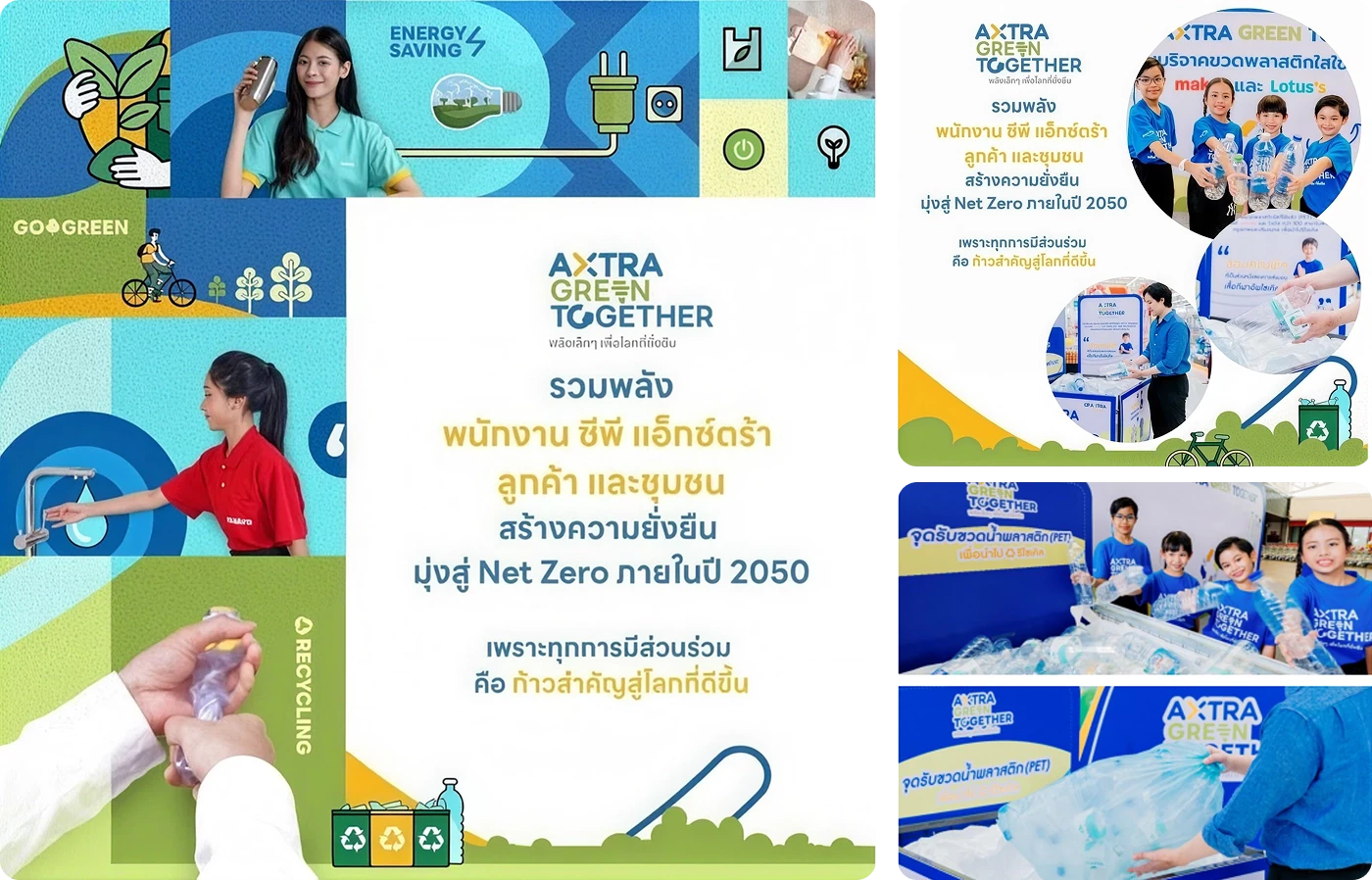
Waste Disposal (exclude food waste)
| Waste Disposal (exclude food waste) | Unit | 2022 | 2023 | 2024 | 2025 |
|---|---|---|---|---|---|
| Total waste recycled/reused | Metric tonnes | 103,546.24 | 129,914.14 | 116,124.71 | 132,977.23 |
| Total waste disposed | Metric tonnes | 46,873.68 | 21,349.91 | 28,973.80 | 11,190.57 |
| Waste landfilled | Metric tonnes | 45,412.79 | 21,348.83 | 28,971.83 | 11,179.86 |
| Waste incinerated with energy recovery | Metric tonnes | 1,454.10 | 0 | 0.95 | 5.32 |
| Waste incinerated without energy recovery | Metric tonnes | 6.79 | 1.08 | 1.02 | 5.4 |
| Waste otherwise disposed | Metric tonnes | 0 | 0 | 0 | 0 |
| Waste with unknown disposal method | Metric tonnes | 0 | 0 | 0 | 0 |
| Data coverage (as % of denominator) | % of business operation | 100 | 100 | 100 | 100 |
Food loss & Food waste impact
| Waste Disposal | Unit | 2022 | 2023 | 2024 | 2025 |
|---|---|---|---|---|---|
| Total weight of all food loss & food waste | Metric tonnes | 32,917.72 | 42,065.24 | 42,447.87 | 37,954.12 |
| Total weight of food loss & food waste volumes used for alternative purposed | Metric tonnes | 2,229.66 | 3,940.04 | 6,032.92 | 16,010.47 |
| Total food loss & food waste discarded | Metric tonnes | 30,688.06 | 38,125.20 | 36,414.96 | 21,943.65 |
| Data Coverage | % of business operation | 100 | 100 | 100 | 100 |
Food Waste Management
The Company's target to be Zero waste and food waste to landfill by 2030. The Company has an approach and action for food waste management and reduction as follow;
Measuring food loss & waste with the acceptable method and breaking down volumes by category and/or lifecycle stage or processing flow to identify the critical area for improvement.
Define appropriate action plan and target that may have economic, environmental, or social benefits instead of being discarded without any value creation such as the appropriate inventory planning, destinations, and repurposing actions may include any utilized for other processes including the alternative uses of waste and food waste which based on food safety practice.
Train and communicate to raise awareness related to food loss & food waste reduction actions and targets to the employees, temporary workers, contractors, and suppliers in the supply chain.
Collaborate and encourage the up/downstream partners, service providers, and contractors among production, transportation, storage, distribution, and trading to reduce the amount of food loss & food waste in the value chain.
Publicly disclose the status of the food waste & food loss reduction program and performance compares targets as annual basis.
Collaborate with other organizations such as government, education institutes, community, etc. to find opportunities for corporative solutions the food loss & waste such as The World Business Council for Sustainable Development. The action to reduce food waste, which company are prioritized step through;
- Shrinkage prevention: reducing food waste within the operational process. (Planning, Managing, Inventory, Discount)
- Feed hungry people: Passing the food surplus to agencies, and people who need it.
- Feed animals: Shifting to animal feed
- Composting: Convert to fertilizer or EM solution.
Zero food waste to zero landfill Projects
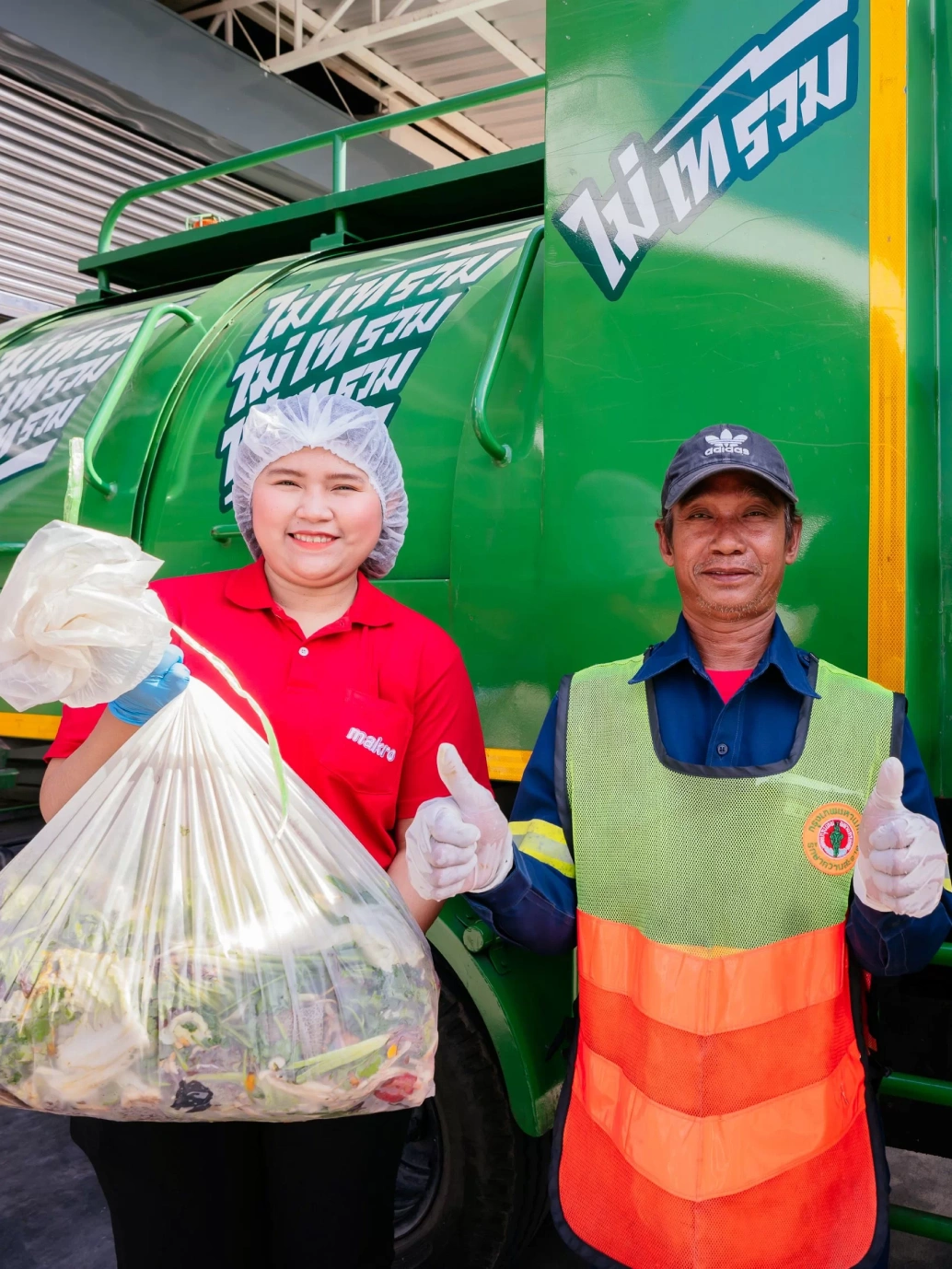
Our Projects
"EM Fermentation from Food Waste" Project
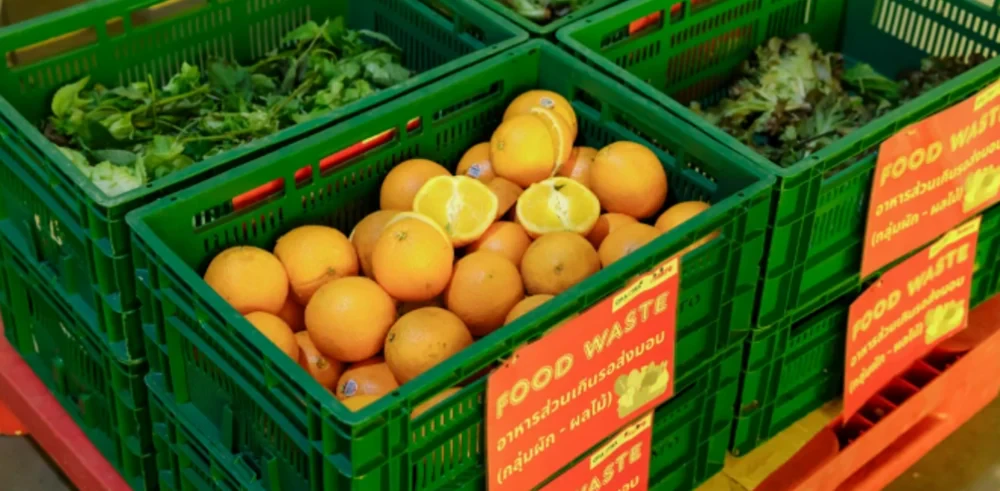

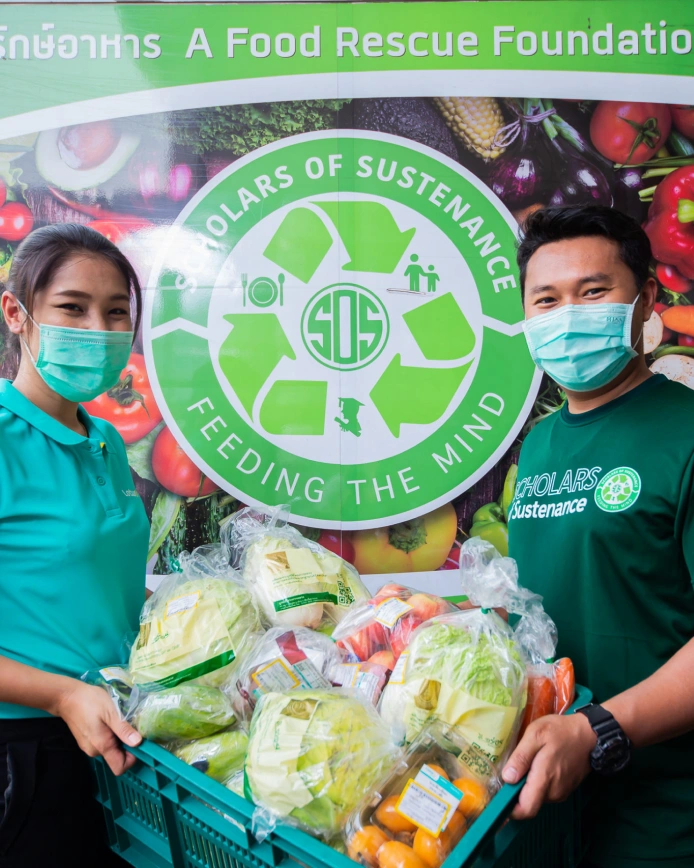
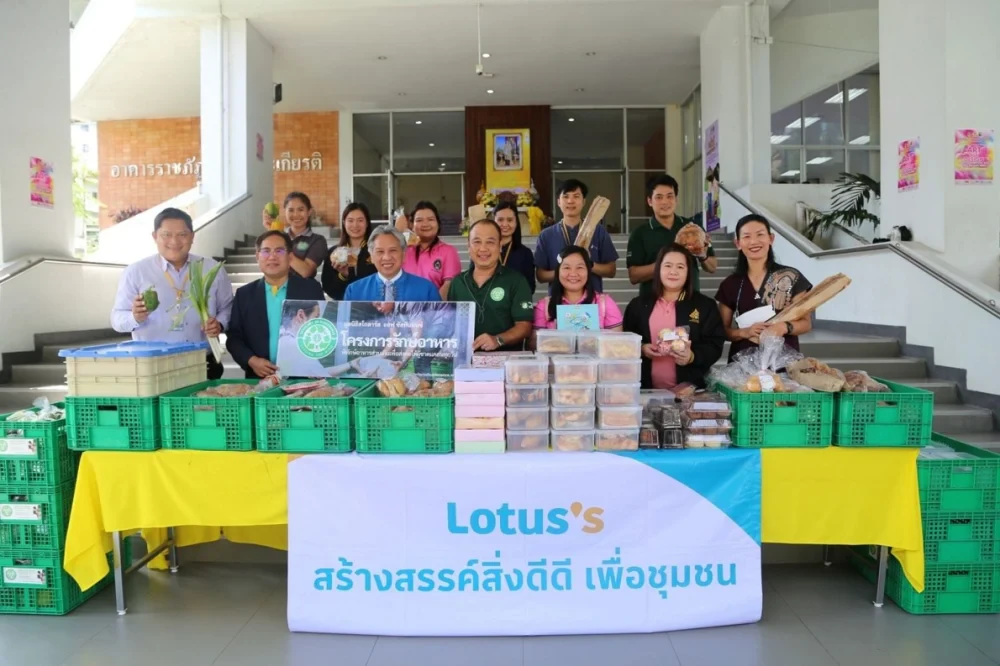
"Donate the food surplus" Project
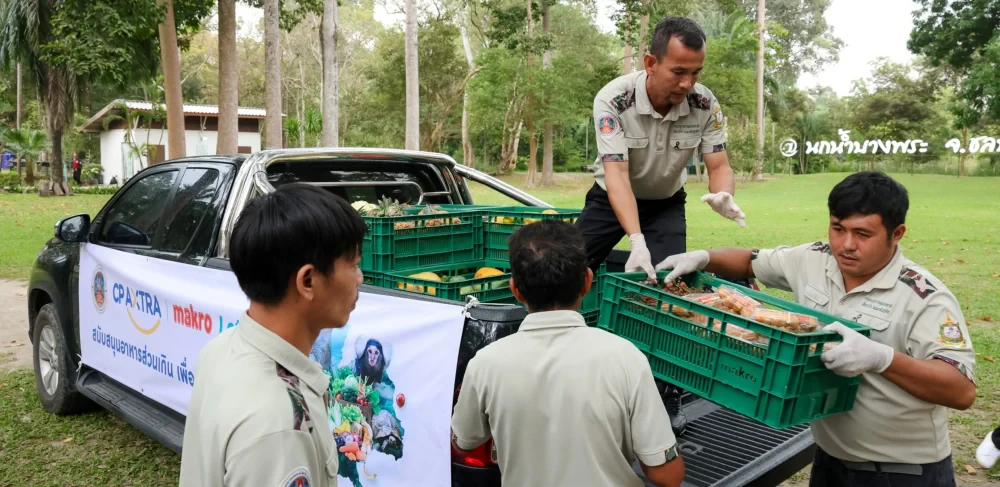
“4rd year of Food Waste Donation to the Wildlife Conservation Centers" and "Food Waste for Black Soldier Flies Feeding“ Project
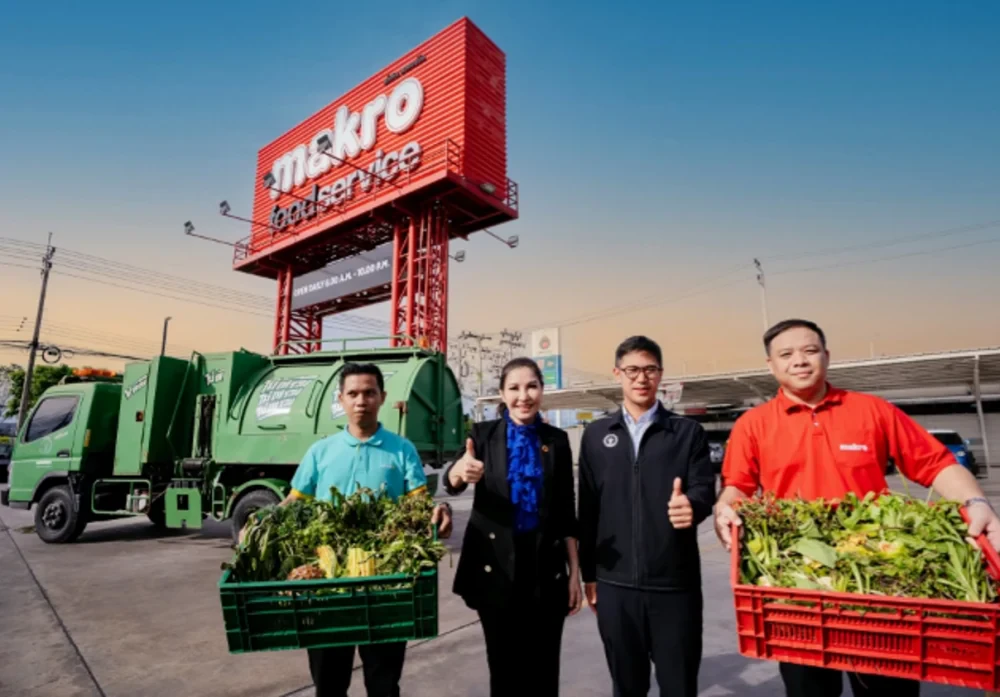
"Mai Tay Ruam-waste and food waste segregation” Project
Sustainable Packaging
The company commits promoting sustainable packaging to the public and utilization along the supply chain. Then the sustainable packaging strategy starts from stop selling single-use foam packaging. Altogether develop new sustainable packing with the supplier to provide a better solution for the food delivery business, reasonable and environment friendly The Company has an approach and action for sustainable packaging following program as;


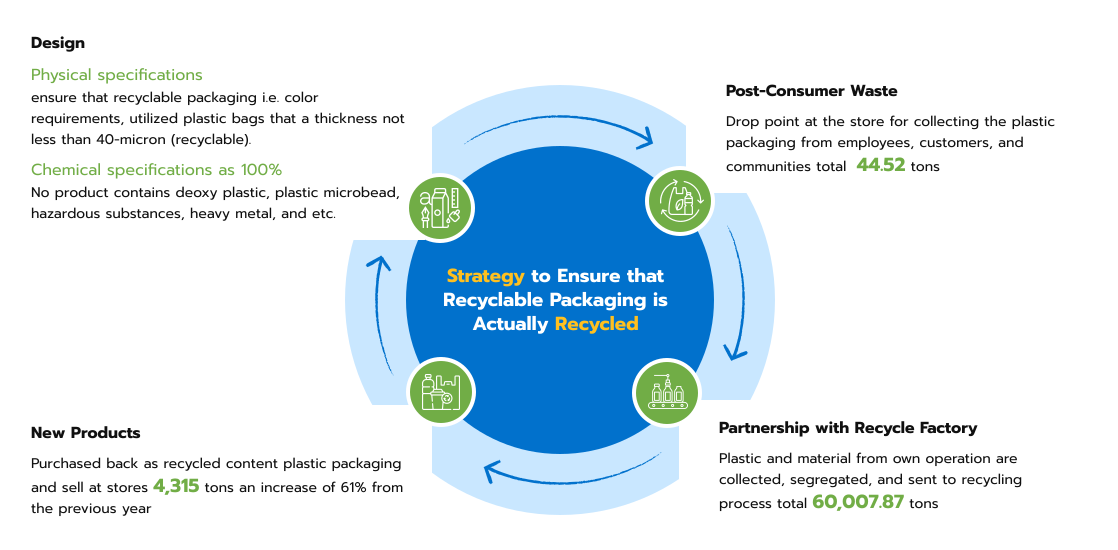
Packaging Materials
| Packaging Materials | Coverage (% of cost of good sold) | Total Weight (metric tonnes) | Recycled and/or Certified Material (% of total weight) | 2025 Target (% of total weight) | |
|---|---|---|---|---|---|
| FY 2024 | FY 2025 | ||||
| Wood/Paper fiber packaging | 93 | 93,362.90 | 9,842.99 | 99.98 | 100 |
| Metal packaging (e.g. aluminum or steel) | วัสดุที่ไม่ได้นำมาใช้ในบรรจุภัณฑ์ของบริษัท | ||||
| Glass packaging | 93 | 247.64 | 261.78 | 100 | 100 |
Plastic Packaging
| Plastic Packaging | Unit | 2020 | 2021 | 2022 | 2023 | 2024 | 2025 |
|---|---|---|---|---|---|---|---|
| Total weight of all plastic packaging | tonnes | 12,202.81 | 16,713.11 | 18,532.25 | 18,098.40 | 18,460.65 | |
| Percentage of recyclable plastic packaging | % | 0 | 0 | 0 | 97 | 99 | |
| Percentage of compostable plastic packaging | % | 0 | 0 | 0 | 24.33 | 25.69 | |
| Percentage of recycled content within the company’s plastic packaging | % | 0 | 0 | 0 | 13.26 | 18.87 | |
| Coverage | (as a % of cost of good sold) | 83 | 83 | 83 | 83 | 93 |
Our Projects
“Shift Single Use PP Board to Paper Material” Project
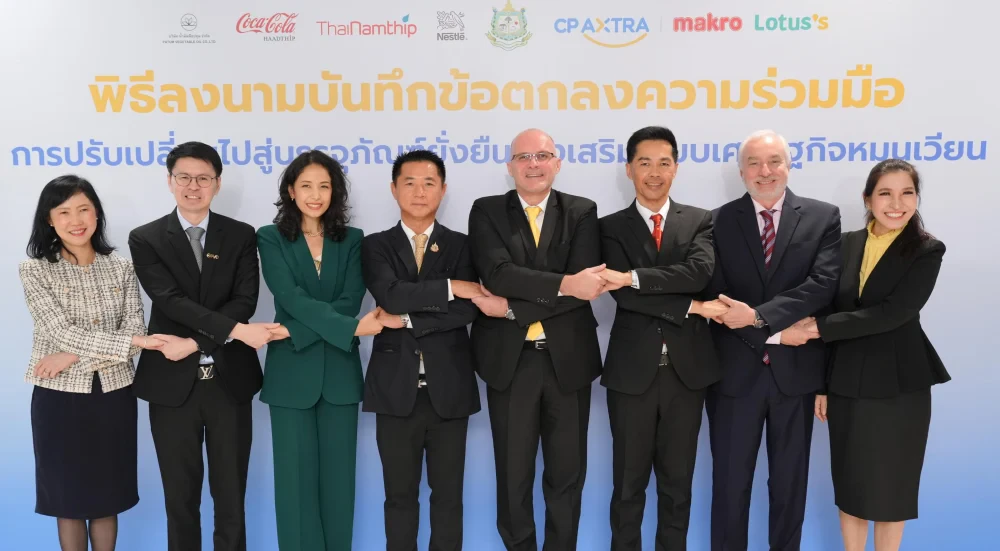
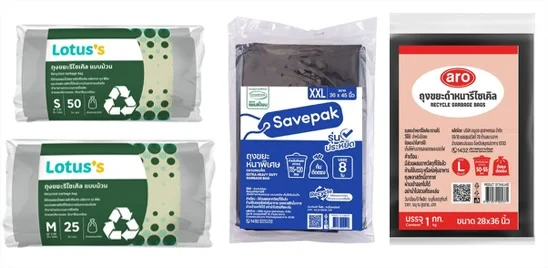
"Sustainable Packaging Product" Project
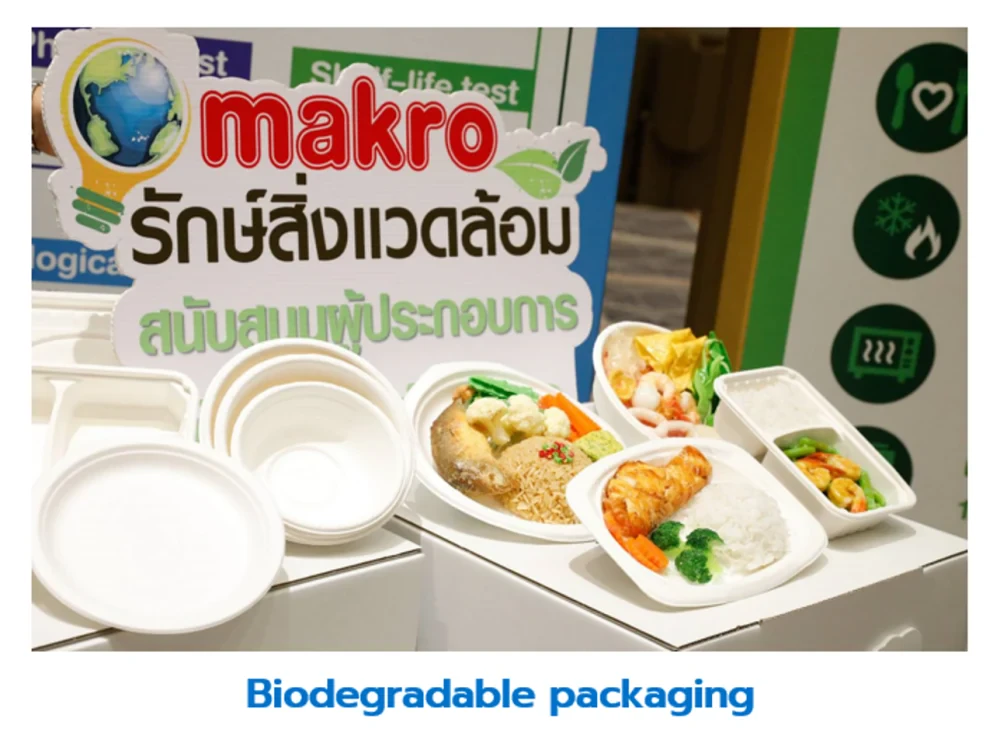
Innovation project “Sustainable packaging with banana stems”
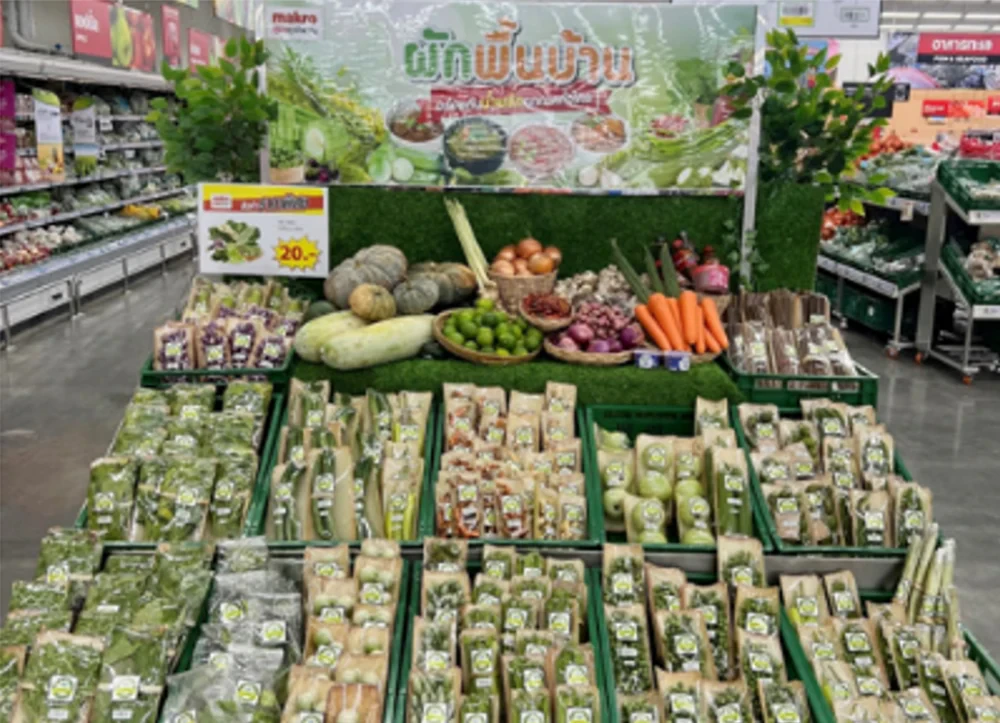
“Shelf Ready Display” Project
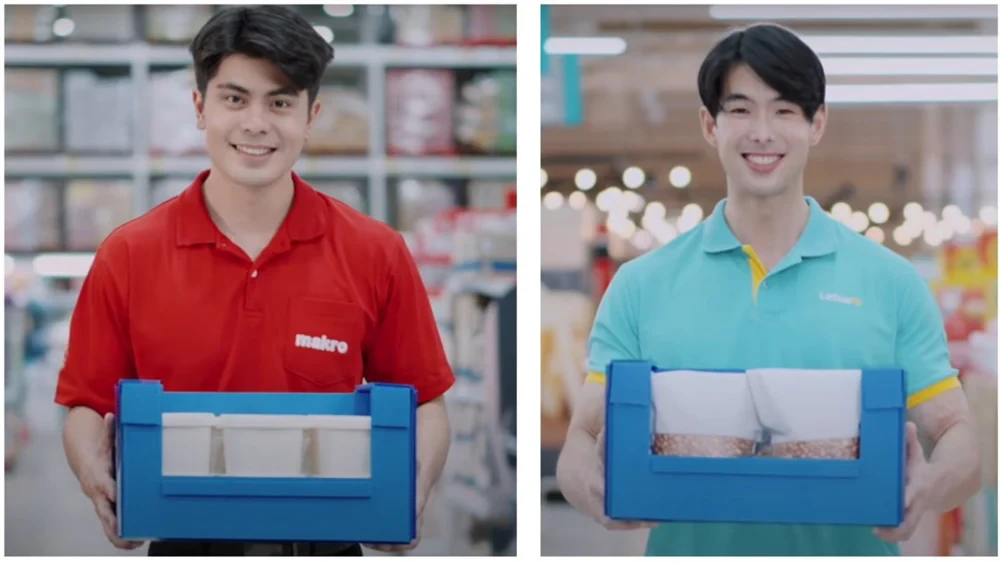
"Transition to Sustainable Packaging and Promotion of Circular Economy" Project
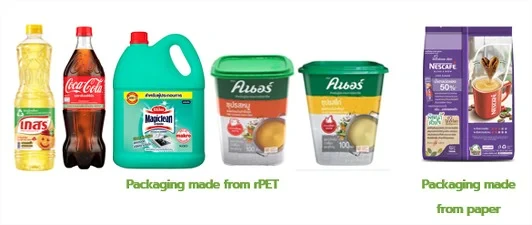
“Recycled Content Products" Project