Materiality Assessment

Material Sustainability Assessment Process

Identify both negative and positive material issues by internal and external stakeholders
Identifies ESG material issues both positive and/or negative impacts, actual or potential impact on economy, environment, people including human rights. The material are collected from external and internal stakeholders through multi engagement channels such as the annual ESG' engagement survey, compliant. Altogether with the actual ESG performance i.e accident case, breach case, Human rights risk assessment etc. The context review from global standard and ESG indices and guidelines i.e, GRI, SDG, CDP, S&P CSA, FTSE4Goods, SASB, TH-ESG Rating etc.

Prioritize the most significant impact for reporting
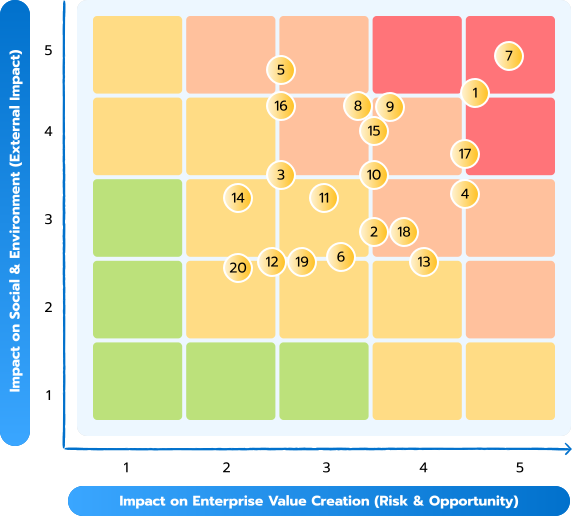
The materiality issues are prioritization is based on the principle of double materiality to ensure impact to stakeholder and business are considered. Also rating by both internal and external stakeholders (179 persons) for level of impact of both Enterprise Value Creation and Long-term impact of social, environment and people in team of risk severity and likelihood.

Validation by 3rd party
The materiality are verified by the third-party assurance (LRQA). The assurance document is shown on last page of this report. The material assessment result signed off by BOD.

Integrated to company's ERM process
All significant ESG materials are integrated into the Company's Enterprise Risk Management (ERM) and shown on the company's risk map and tracking within the online platform. The risk steering committee quarterly monitored progress and by BOD at least once per year.
2025 Materiality Result