Climate Resilience
Challenges and Opportunities
The environmental crisis is becoming more intense due to Climate Change. The solution is, seemingly, an insurmountable task for every sector’s cooperating. The Company has been a team player in reducing the targets of Achieving Carbon Neutrality in 2030 and Net Zero in 2050. This includes ensuring readiness to face the Climate Change impacts and supporting the development of projects and innovations on the sustainability path to an energy-efficient and low-carbon society. Believing Sustainable business growth must go with the accountability for environmental protection and responsible natural resource utilization, where everyone has a role to play from a communal perspective.
Supporting the SDGs
Targets and Performance Highlights
-
Long-Term Target by 2030
-
Achieve carbon neutrality by 2030 reducing Scope 1+2 emissions by 42% (compared to the 2022 baseline) and Scope 3 emissions by 25% (compared to the 2025 baseline), with a goal of net-zero carbon emissions by 2050 (reducing Scope 1+2 by 90% and Scope 3 by 90%).
-
Achieve carbon neutrality by 2030 (Scope 1+2) and Net Zero by 2050.

-
SBT Target: reducing Scope 1+2 emissions 42% by 2030, and 90% by 2050.

-
SBT Target: reducing scope 3 emissions 25% by 2030, and 90% by 2050.

-
-
2025 Target
-
Reduce Scope 1&2 emissions at least 8%
-
Increase renewable energy utilization ratio to 2%
-
-
2025 Performance

Scope 1&2 emissions 909,830.30 decreased by 67,489.24 tons CO2 equivalent (Reduce 6.91% from base year)

Renewable energy utilization ratio increased to 307,046.97 tons or 16% of total energy.
Management Approach and Value Creation
Climate Resilience
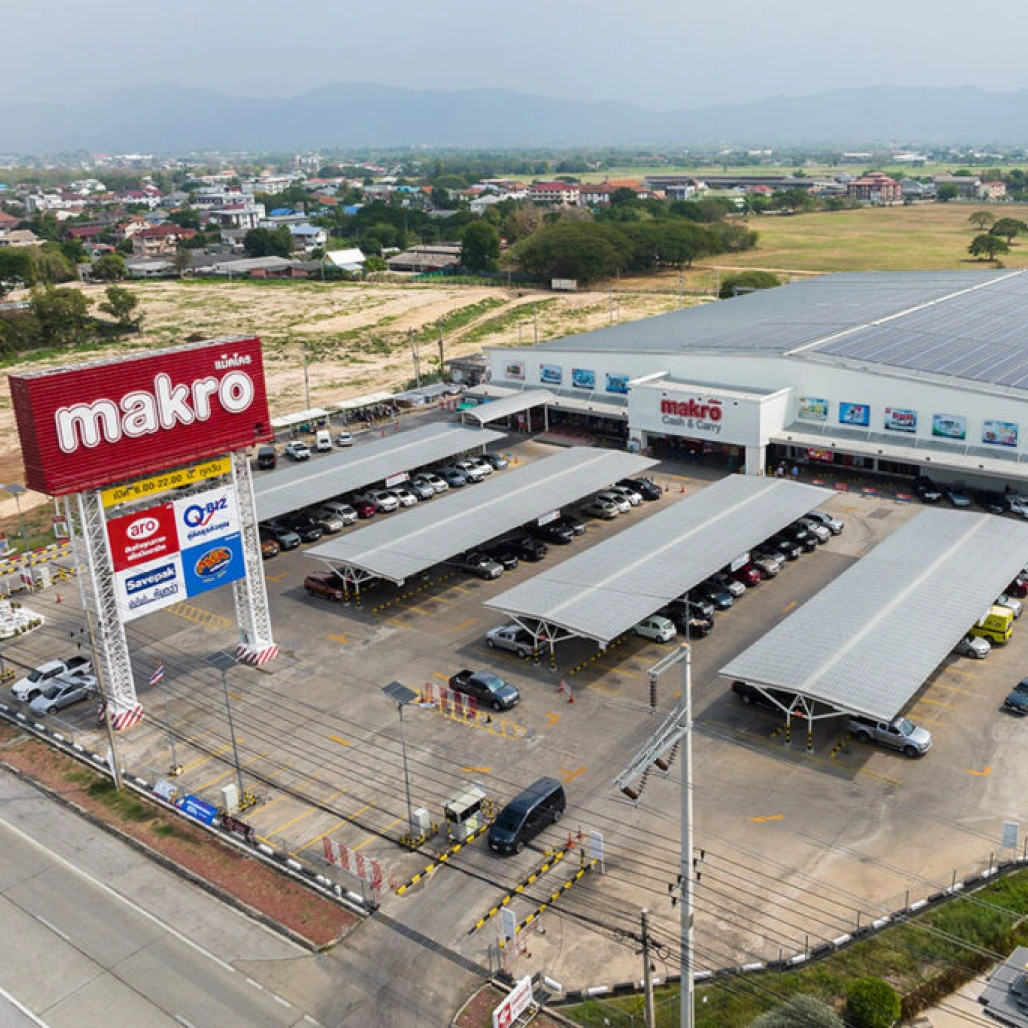
The company aims to be carbon neutral in 2030, coping with the impact of climate change as well as the reduction of direct and indirect greenhouse gas emissions. The resilient strategy is increasing renewable energy and maximizing energy efficiency also compliance with laws and regulations involved with energy conservation of buildings and the ISO 50001:2018 energy management system Retail business is certified ISO 14000 environmental management system.
Greenhouse Gas Management Plan and Result
Carbon Neutralization Strategy
Achieving Carbon Neutrality by 2030 and
reaching Net Zero emissions by 2050.

Climate Strategies
| Climate Strategies | Projects & Action | 2025 Result |
|---|---|---|
| Improve Energy Efficiency |
|
|
| Renewable Energy |
|
|
| Green Refrigerant |
|
|
| Electric Vehicle |
|
|
| Carbon Adsorption |
|
|
Energy Management
-
Long-Term Target by 2030
-
Increase renewable energy utilization ratio to 25% and reduce energy Intensity per revenue by 25% by 2050.

-
The Company places high importance on energy conservation, natural resource sustainability, and environmental preservation. All executives and employees are required to actively support and take responsibility for efficient energy use to ensure continuous sustainability and collaboration across all stakeholders with the practices as follows:
Establish targets and action plans for energy conservation, with regular reviews of the effectiveness every year.
Promote energy conservation activities, ensuring a balanced and appropriate use of natural resources and the environment, in alignment with the growth of the business and the organization.
Comply with all laws and regulations related to energy use, energy consumption, and energy efficiency.
Emphasizing the importance of involving relevant personnel and fostering awareness to all stakeholder.
Design, procurement, and acquisition of machinery, tools, equipment, and other necessary to enhance energy performance.
Continuously improve energy performance with increasing energy efficiency and appropriately applying it to various activities.
Provide adequate resources and information for implementation.

Renewable Energy

Energy Intensity per revenue

GHG intersity (Scope 1 & 2) per revenue

Cost Saving from the Energy Efficiency Improvement
Renewable Clean Energy Management
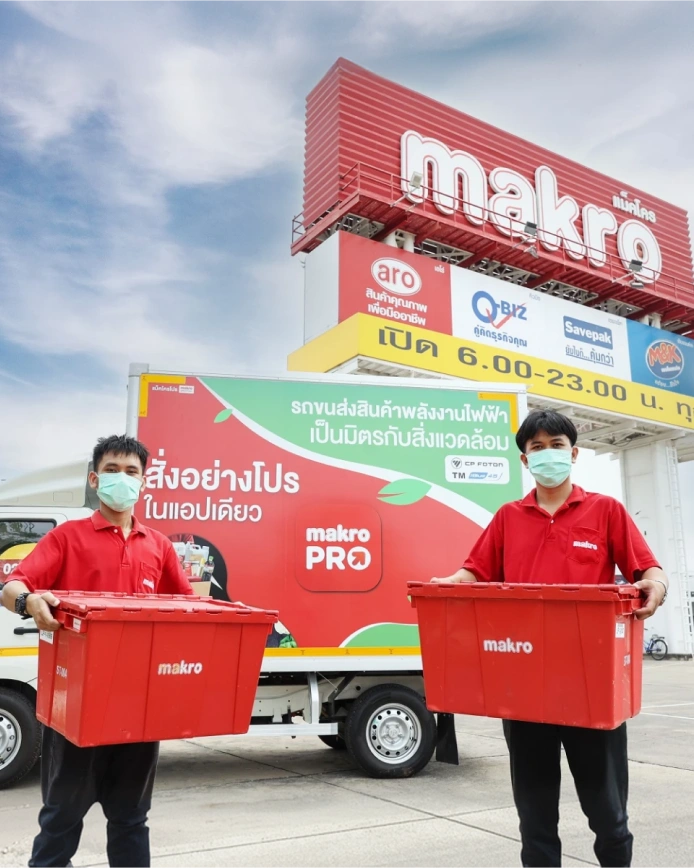
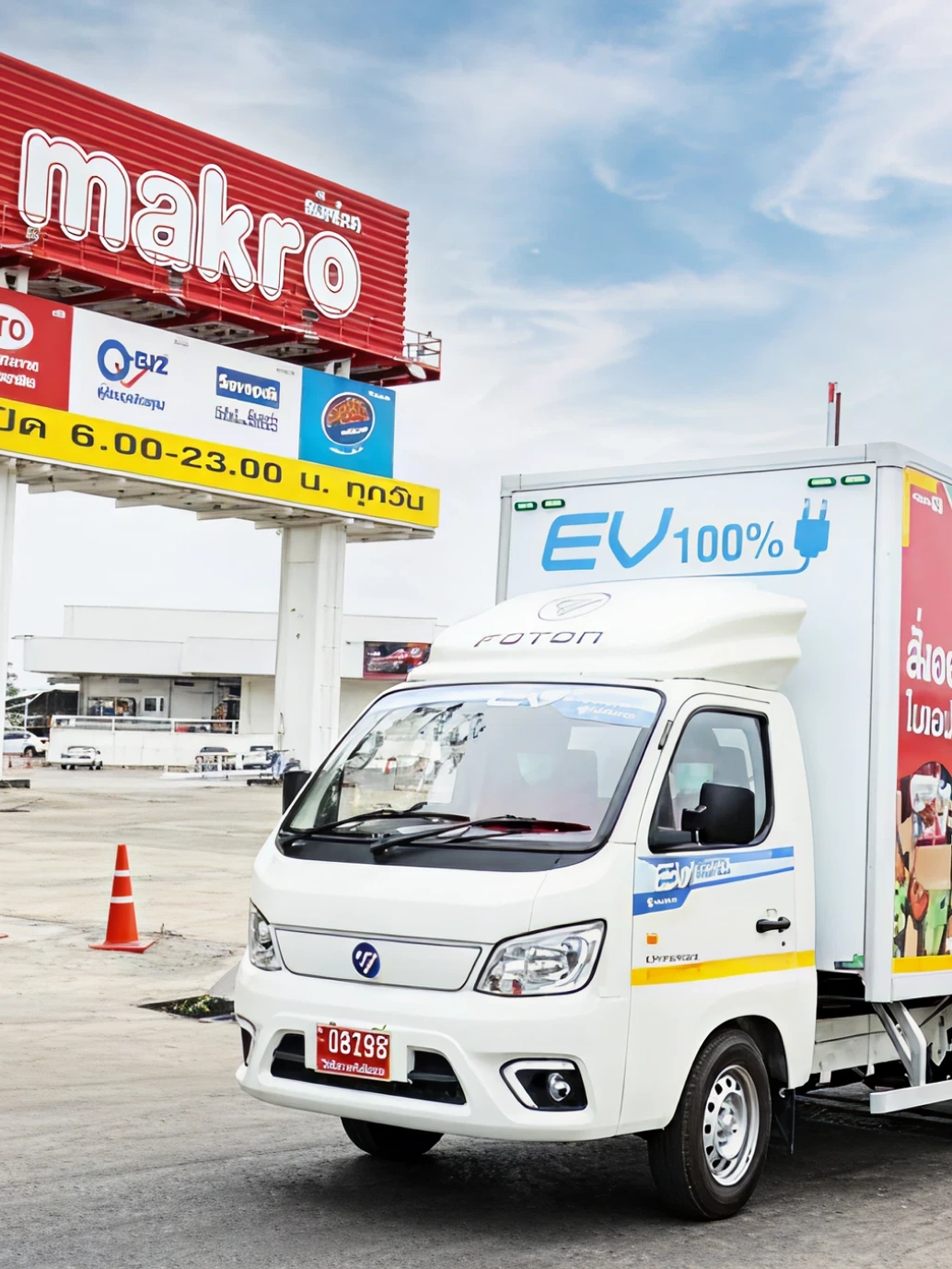
The company aims to continuously increase the proportion of clean energy usage every year, striving towards RE100. This will be achieved through initiatives such as installing solar rooftops, solar thermal systems, transitioning fuel vehicles, forklifts, and transport trucks to electric and hydrogen energy. These efforts aim to drive a significant transformation in the logistics systems of wholesale-retail business towards clean energy throughout the supply chain. In 2025, the Company's % of clean energy per total energy utilization reached 16.23%, up from 13.96% in 2024.
Energy Committee
The energy committee is announced to be responsible for improving energy efficiency targets, monitoring, approval project and budget, and quarterly follow-up on the project’s progression as:
| Topics | Implementation and Project | 2025 Result |
|---|---|---|
| Energy audit |
Target
Energy audits to identify opportunities for improving energy performance.
|
|
| Action to reduce the amount of energy use And evaluate progress |
Target
|
|
| Use of Clean or Renewable Energy |
Target
Increase renewable energy utilization ratio to 25% within 2030 through projects as
|
Increase renewable utilization to 16.23% (2024=13.96%) or 307,046.97 Megawatt-hours per year and progress of each project as;
|
| Innovation investment in reducing energy consumption |
Innovation projects are invested for energy saving that initiated by employee.
|
|
| Training and motivation |
|
|
Our Projects
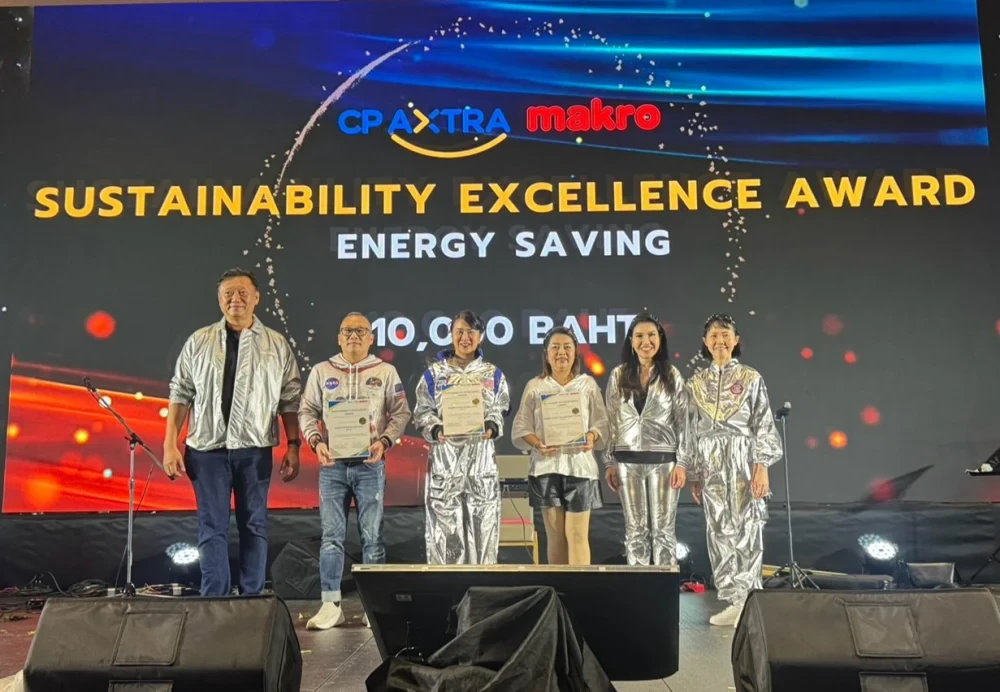
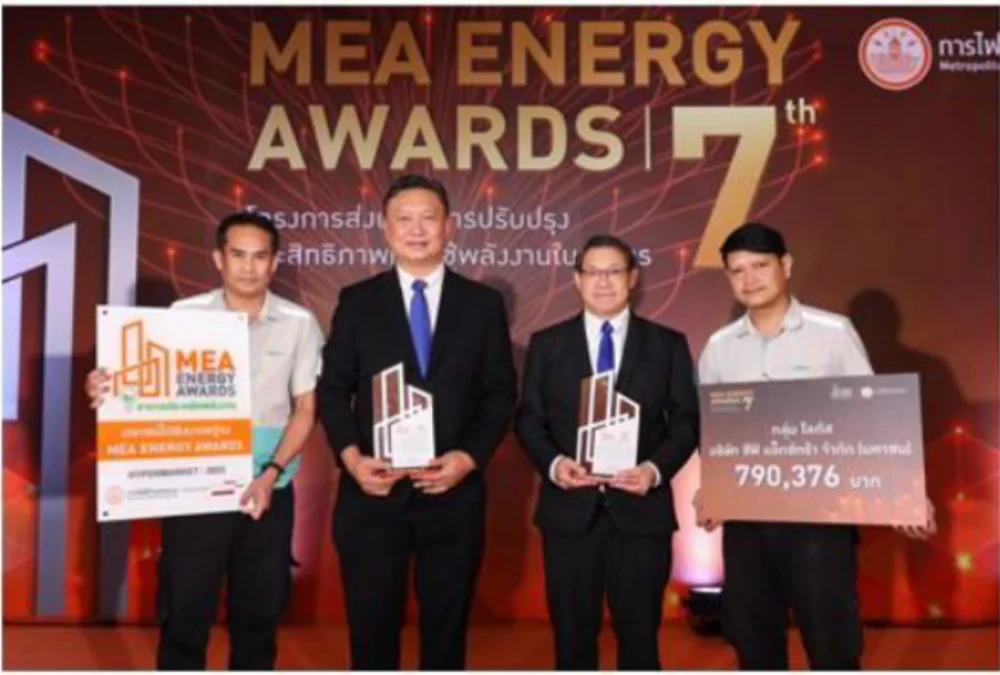
Best Energy Performance Award

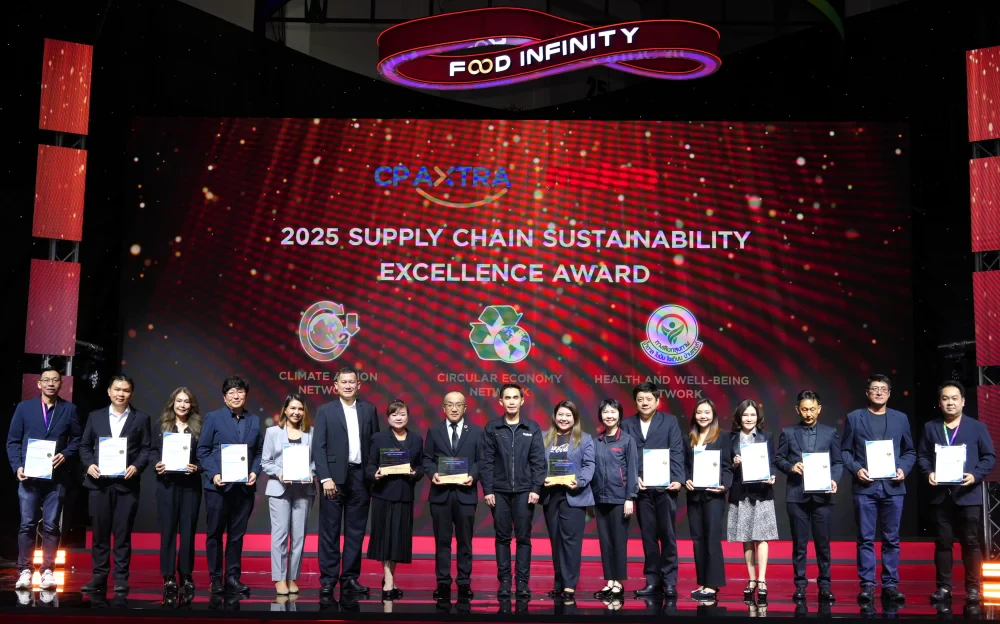
Promote Low Carbon Network in Supply Chain
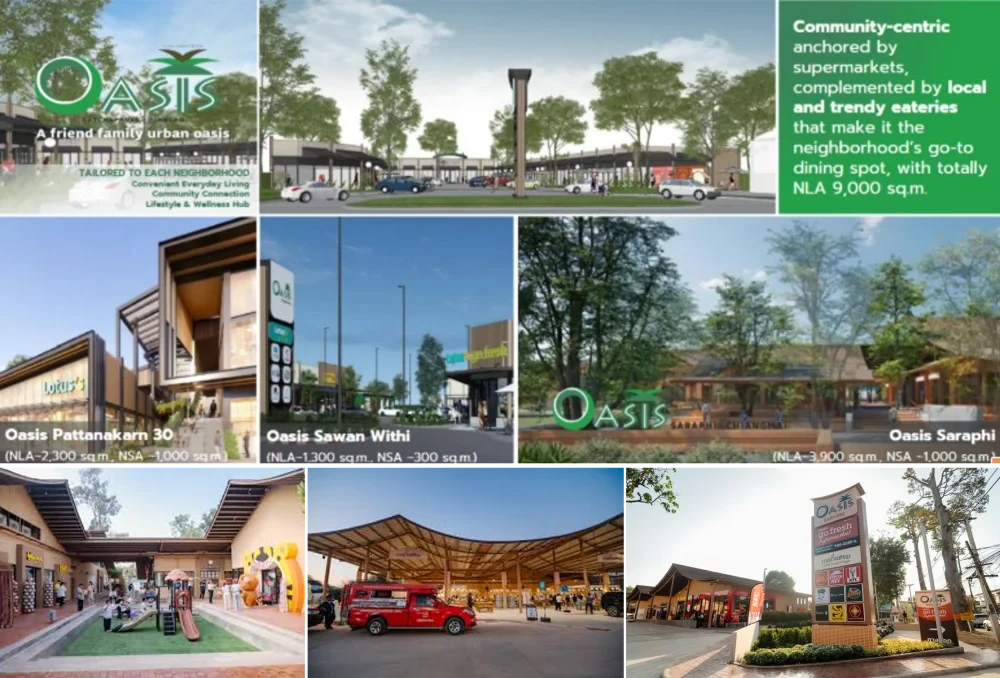
"lotus's oasis" Project
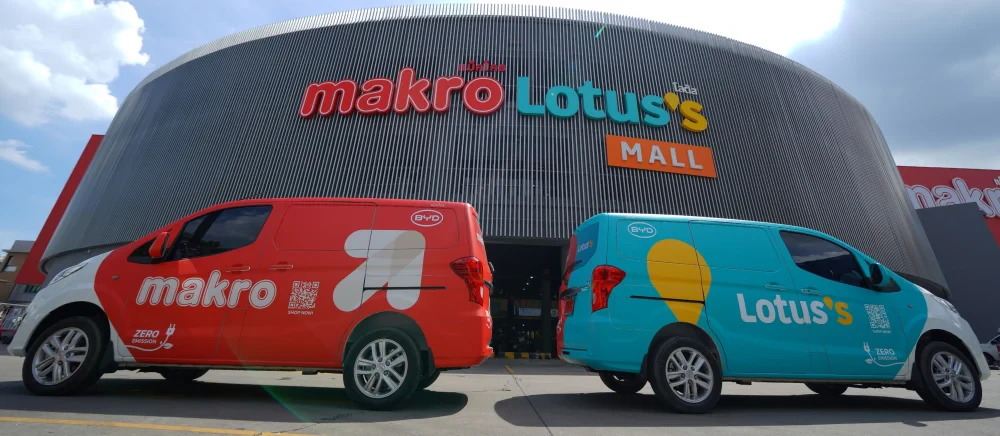
"Utilize EV Truck and Bike for Transportation and Delivery service" Project
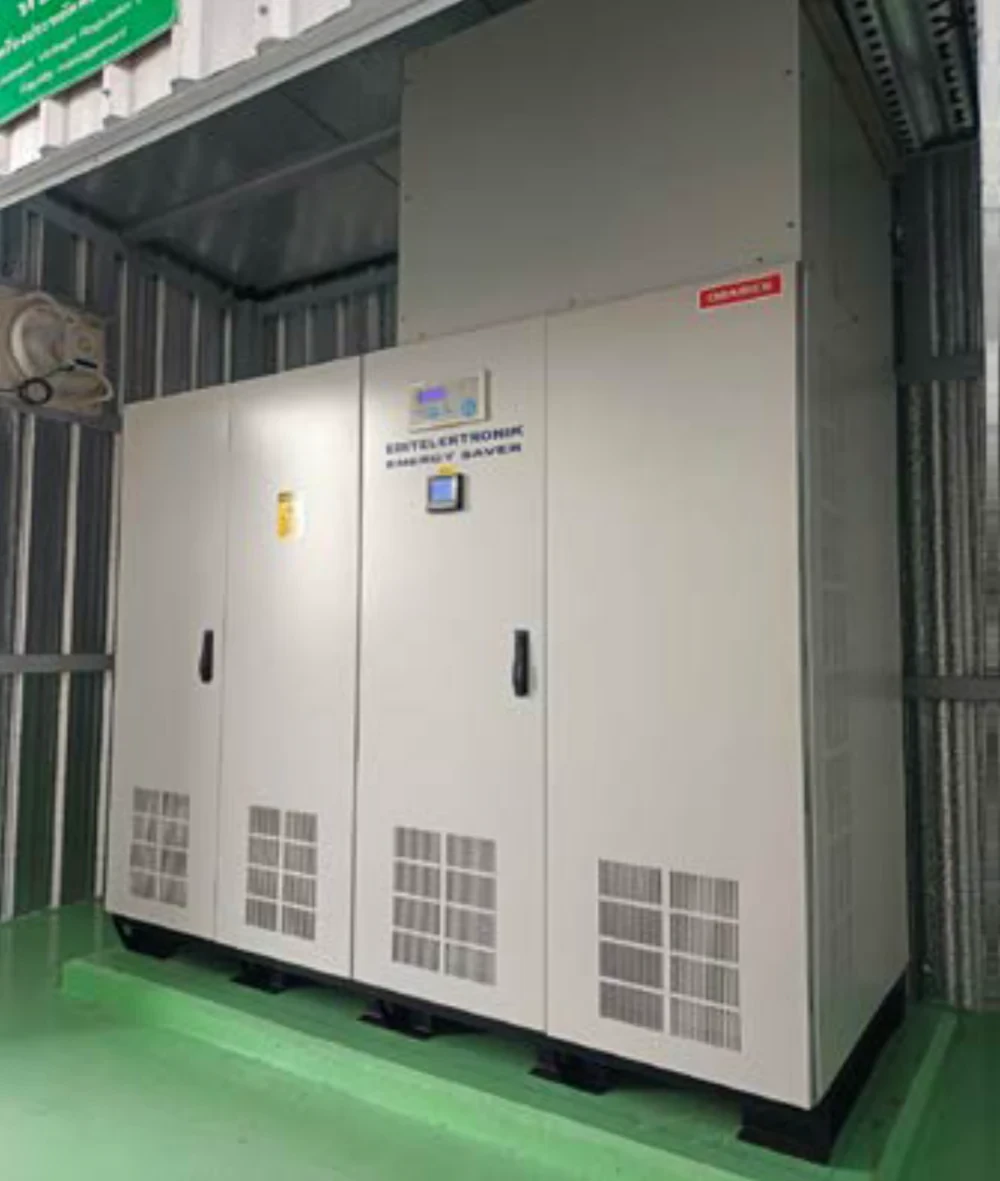
"Automatic Voltage Regulator (AVR)" Project
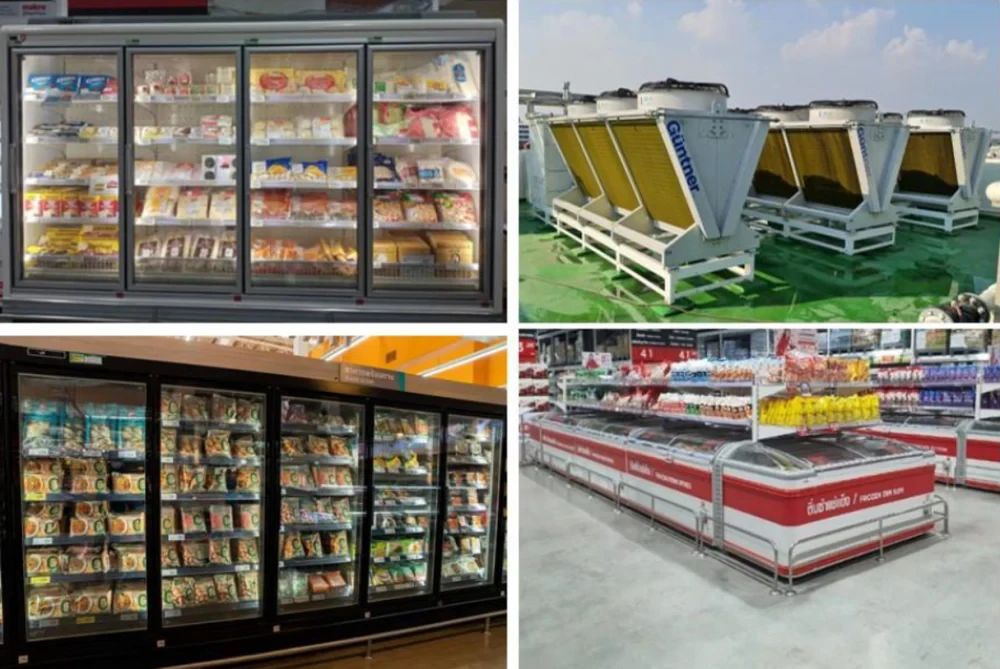
Replace Refrigerant with "Water-Loop Cooling System and Green Refrigerant" Project
"Solar Rooftop" Project
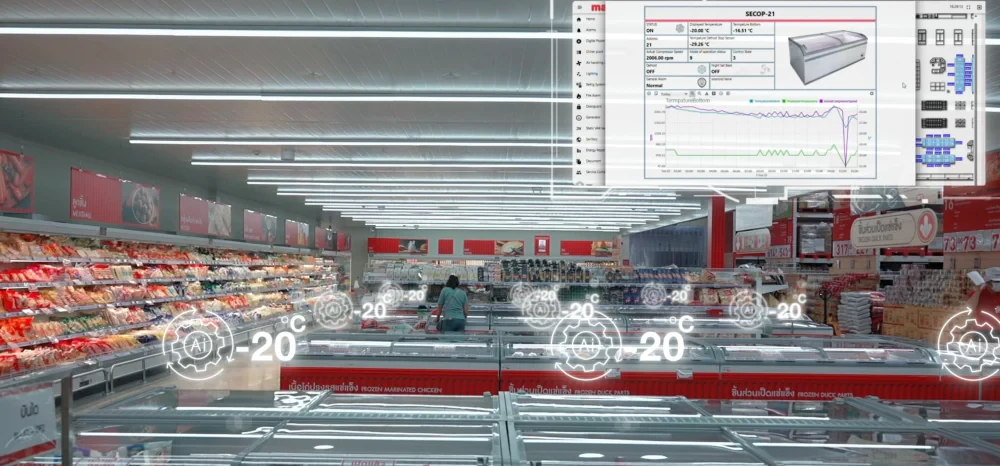
“Smart AI Building Automation (SBEMS)" Project